 See photos and updates from listings directly in your feed
 Share your favorite listings with friends and family
 Save your search and get new listings directly in your mailbox before everybody else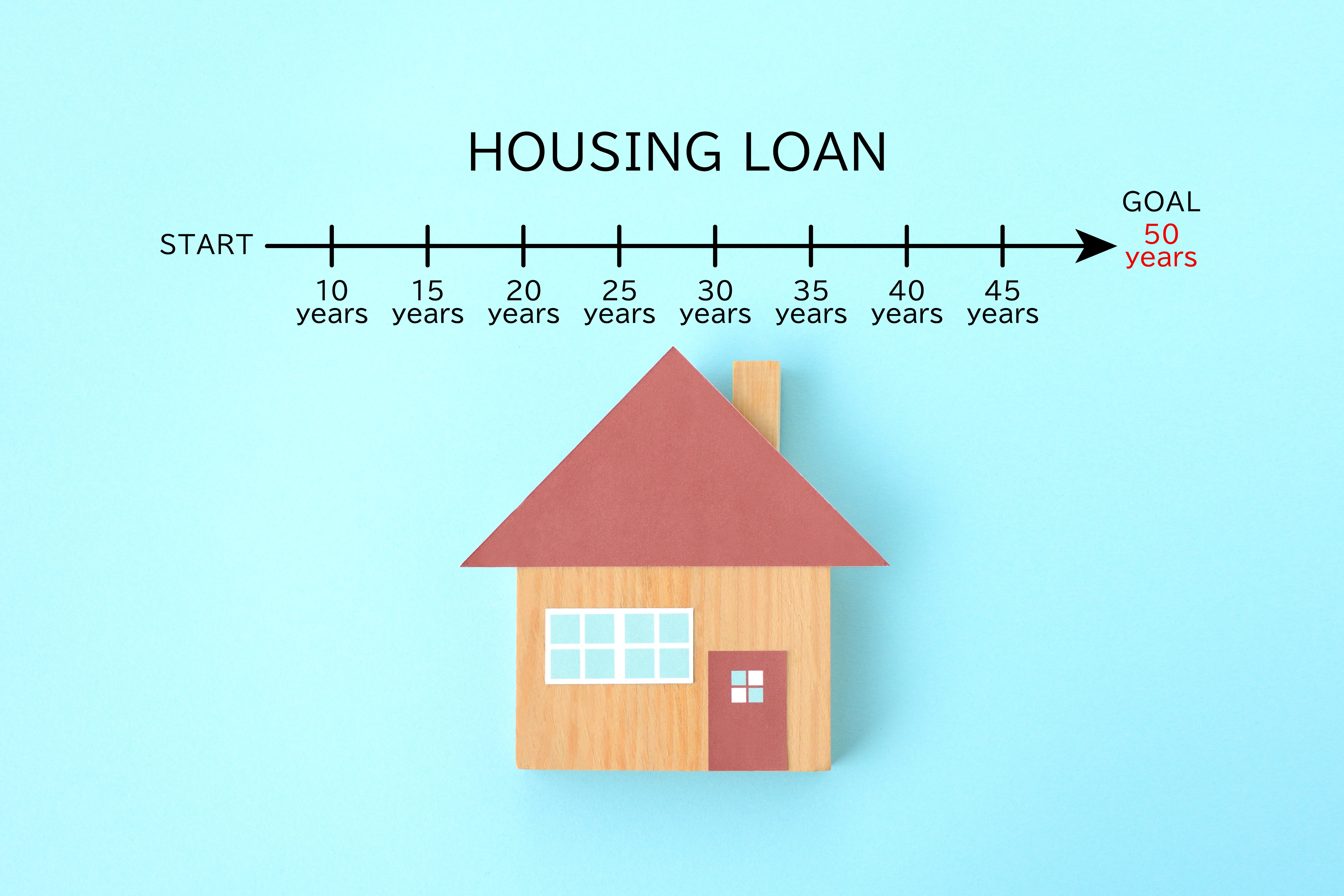
A 50-year mortgage is exactly what it sounds like a home loan paid over 50 years instead of the traditional 30. Policymakers have floated the idea as a way to lower monthly payments and make homeownership feel more attainable, especially as prices and interest rates stay high. But while the concept sounds helpful, the trade offs are big.
The Upside
Lower monthly payments:
Stretching the loan over 50 years reduces the monthly obligation, giving buyers some breathing room.
More purchasing power:
A lower payment may allow buyers to qualify for slightly higher priced homes, particularly helpful in expensive markets.
Better monthly cash flow:
The freed-up money can go toward savings, repairs, or other financial priorities.
Short-term strategy:
Some may use it as a temporary bridge buy now, then refinance later if rates fall.
The Downsides
Massively higher lifetime interest:
A longer loan means paying interest for 20 extra years. Total interest paid can balloon by hundreds of thousands of dollars.
Very slow equity growth:
With such slow amortization, homeowners build equity at a crawl. After 30 years, a borrower on a 50-year plan could still owe a huge balance.
Higher risk of negative equity:
If home values dip, slow principal paydown makes it easier to end up underwater.
Debt stretching into old age:
A 40-year-old taking a 50-year mortgage would be paying until age 90. That complicates retirement planning.
Potentially higher rates + regulatory hurdles:
Lenders may charge more for longer-term risk, and current U.S. mortgage rules generally cap terms at 30 years.
Could drive prices even higher:
If more buyers qualify for bigger loans but inventory stays tight, home prices could rise hurting affordability overall.
Bottom Line
A 50-year mortgage might help certain buyers manage monthly payments or get into competitive markets, but it comes with significant long-term costs. Slower equity, higher risk, and a much larger total interest bill make this far from a universal solution. For most buyers and especially those who value equity growth or want to retire mortgage free, it’s a tool to approach with caution.


