 See photos and updates from listings directly in your feed
 Share your favorite listings with friends and family
 Save your search and get new listings directly in your mailbox before everybody else
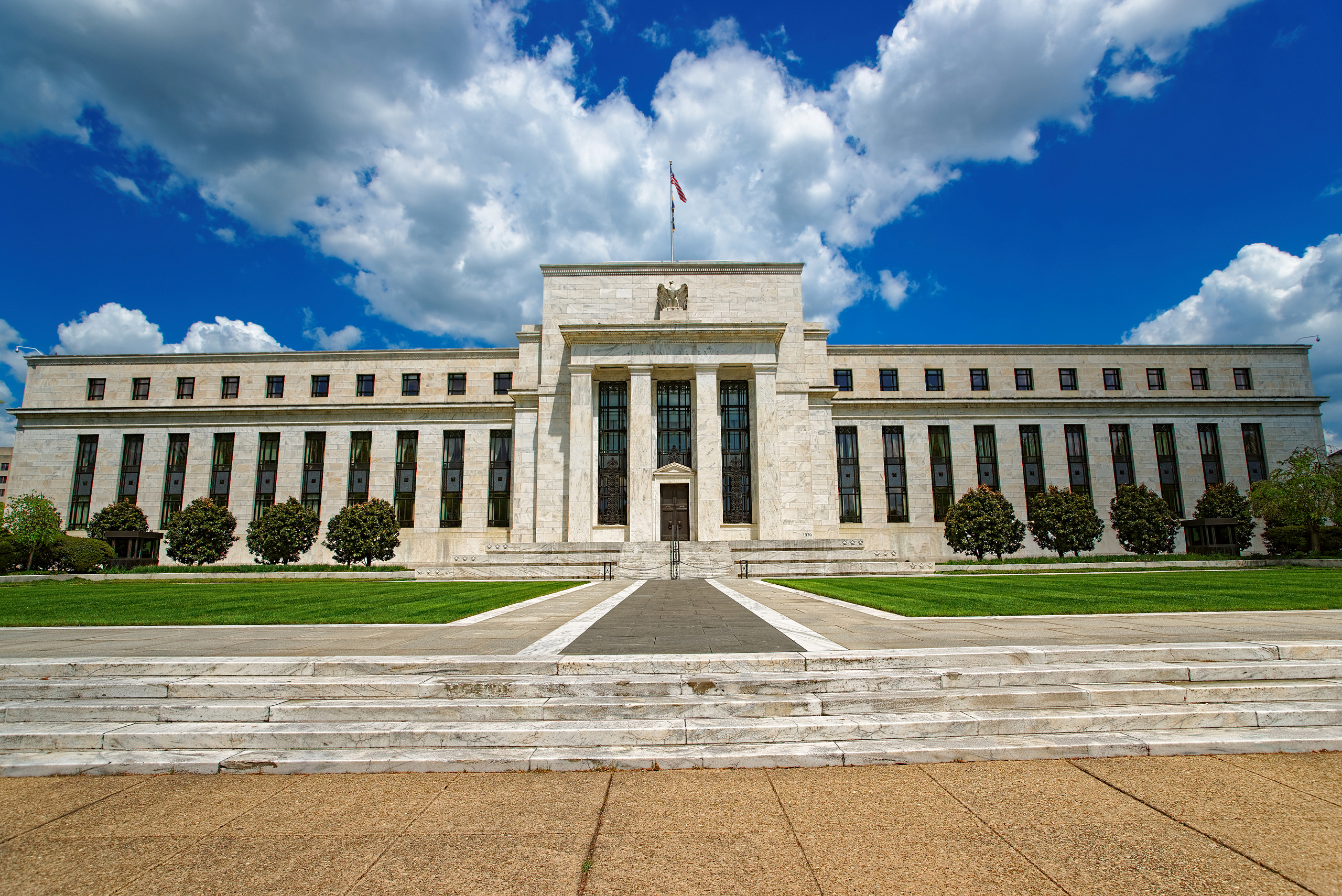
There’s a fundamental truth that continues to get overlooked: mortgage rates don’t directly follow the Fed, they follow the bond market. More specifically, they track the movement of the 10-year Treasury yield. That distinction matters now more than ever.
You can see the uncertainty in the broader economic backdrop. Inflation hasn’t fully retreated, economic growth remains more resilient than predicted, and global pressures, from energy costs to geopolitical tensions, are complicating what used to be clearer signals. The result is a Federal Reserve that feels more cautious, less decisive, and increasingly reactive. Markets, by contrast, demand clarity, and when they don’t get it, volatility fills the gap.
Now, with Kevin Warsh stepping into the spotlight, there’s a growing narrative that change at the top will automatically lead to lower rates. That assumption is premature. While leadership can influence tone and strategy, it doesn’t override economic reality. Warsh inherits the same challenges Powell faced: persistent inflation, steady demand, and a bond market that ultimately dictates long-term borrowing costs.
A new Fed Chair doesn’t instantly bring lower rates, it brings a new lens through which the same challenges are interpreted.
This is where many buyers and sellers, especially in real estate, get tripped up. Even if the Fed begins cutting short-term rates, mortgage rates may not follow in tandem. The 10-year Treasury is driven by inflation expectations and investor confidence, not just Fed policy decisions. That disconnect has been one of the biggest frustrations in the housing market over the past two years.
Right now, the most realistic outlook is this: we are not in a steady, declining rate environment. We’re in a volatile one. Rates will move in both directions, sometimes sharply, based on incoming data, market sentiment, and global events. Under Powell, the Fed offered a more predictable framework. Under Warsh, at least initially, expect more interpretation, more recalibration, and ultimately, more movement.
This isn’t a falling-rate market, it’s a fluctuating one.
Looking ahead, there are two likely paths. In the more favorable scenario, inflation continues to cool and the economy softens gradually. That would allow Treasury yields to drift lower, bringing mortgage rates down in a measured, sustainable way. But there’s another possibility that deserves equal attention: if investors begin to question the Fed’s consistency—or its independence—inflation expectations could remain elevated. In that case, long-term rates could stay higher, even if the Fed begins easing short-term policy. That’s the real risk.
So what does this mean for today’s real estate market?
It means waiting for a perfect “rate reset” may not be a winning strategy. Instead, opportunity is likely to come in waves—short windows where rates dip, confidence improves, and transactions move forward. The advantage will go to those who understand what’s truly driving the market, not those waiting for ideal conditions that may never fully materialize.
Step back and look at the bigger picture. This isn’t just about one leader stepping down and another stepping in. It’s a broader shift—from clarity to uncertainty. And while that uncertainty can create hesitation, it also creates opportunity for those who know how to read the signals beneath the headlines.


