 See photos and updates from listings directly in your feed
 Share your favorite listings with friends and family
 Save your search and get new listings directly in your mailbox before everybody else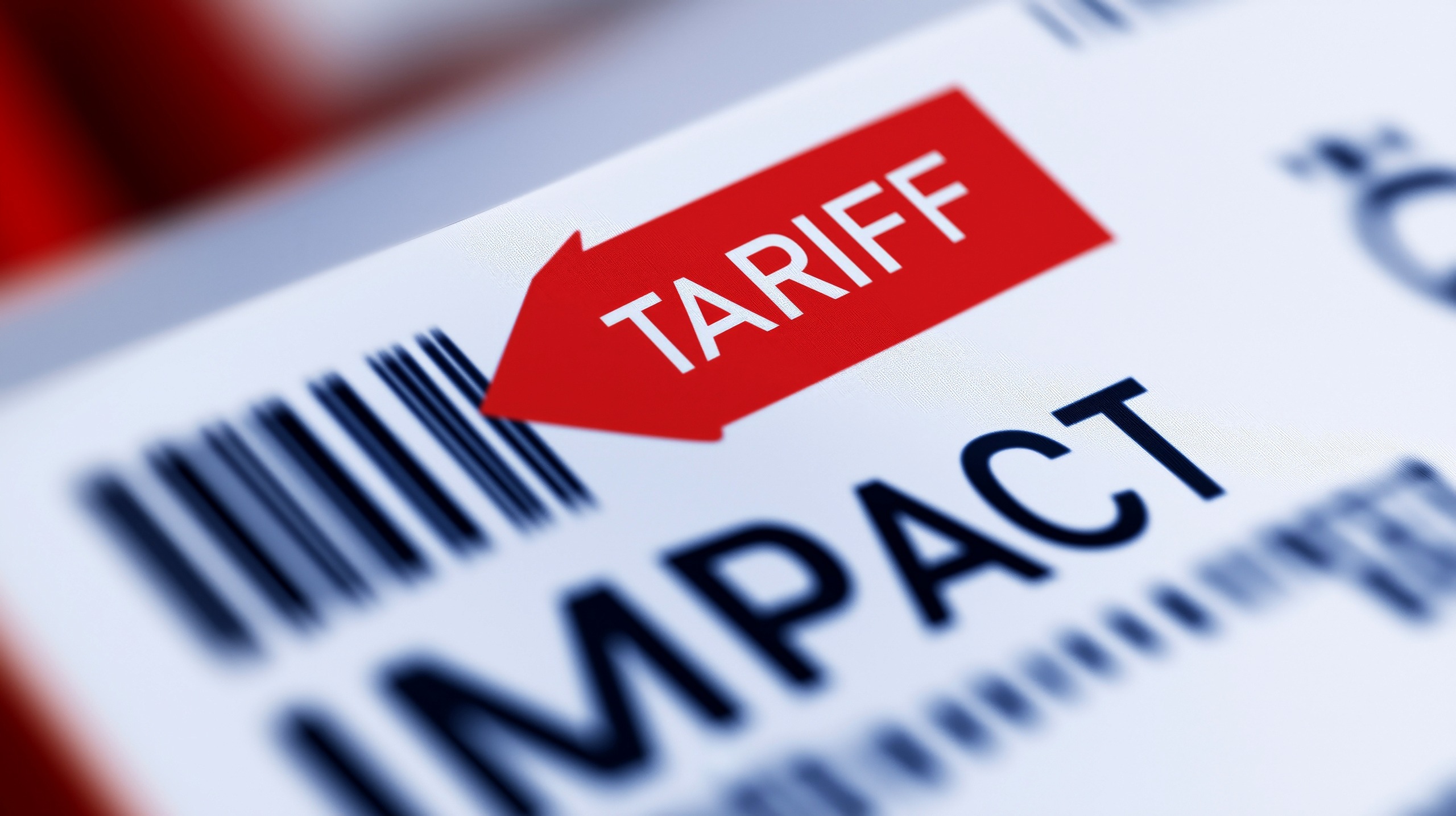
Tariff Deals Shift Inflation Expectations—but What Should Buyers Do Now?
In a major shift on the international trade front, the U.S. and Japan announced a tariff deal that will reduce duties on autos and other goods. While headlines tout the drop in Japanese car tariffs from 27.5% to 15%, it’s important to keep perspective 15% is still significantly higher than pre-trade-war norms. In short, the inflationary pressure that these tariffs have created isn’t disappearing overnight.
And that brings us to the Federal Reserve.
Why the Fed Will Likely Hold Rates Steady—For Now
Despite growing political pressure and whispers from the White House, the Federal Reserve is expected to leave interest rates unchanged at its July 29–30 meeting. The main culprit? Persistent inflation particularly from tariffs that continues to raise prices on essential goods.
June’s Core Consumer Price Index (CPI) rose 0.2%. That figure alone doesn’t sound alarm bells, but it’s enough to reinforce the Fed’s caution. Tariffs act like a silent tax they raise costs for consumers but don’t translate into higher wages. This type of inflation is the hardest for the Fed to counter and is often a signal to keep rates stable.
The takeaway here is simple: Don’t count on a rate cut next week. September, however, could be a different story if inflation trends downward in the wake of these new trade agreements.
What It Means for Buyers in Boston & Cape Cod
While national analysts are watching the Fed, local real estate markets are already reacting to the current rate environment. In Greater Boston and on Cape Cod, we’re seeing clear signs of change and opportunity.
- Inventory is growing. Homes that would have flown off the market in 2022 are now lingering longer, offering buyers more choices and reducing competition.
- Buyers have negotiating power. Instead of bidding wars, we’re seeing price reductions, concessions, and sellers agreeing to pay closing costs or make repairs. These were rare offers during the boom and buyers today are capitalizing on them.
Put simply, this is a market favoring those who are proactive and informed. While rates remain higher than recent lows, the increased leverage and availability make this a prime moment for buyers who can see past the noise.
Final Thoughts
The new U.S.-Japan tariff deal may ease global trade tension, but it won’t bring immediate relief from inflation and that means the Fed is unlikely to cut rates in the short term. Still, for local buyers, that’s not bad news.
The combination of rising inventory, reduced buyer competition, and increased negotiating leverage has created an opening in the market that hasn’t existed in years. For those who have been waiting for a calmer, more buyer-friendly environment, now is the time to act.


