 See photos and updates from listings directly in your feed
 Share your favorite listings with friends and family
 Save your search and get new listings directly in your mailbox before everybody else
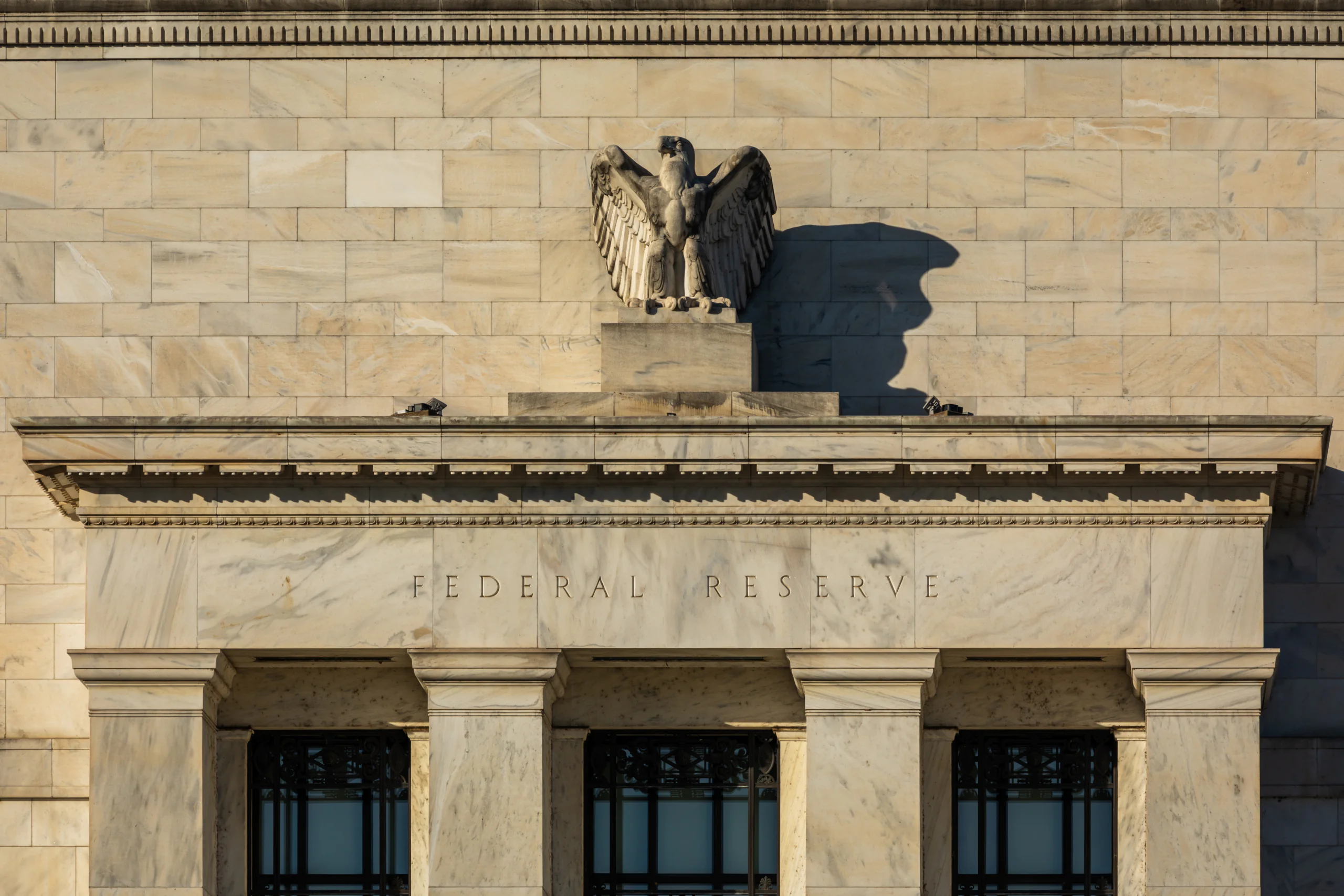
Fed official Kevin Warsh signaled at Jackson Hole that another rate hike is likely coming in September. That’s bad timing for the DC-area housing market, which has spent the summer cooling off on its own — without the Fed’s help.
What Happened
At Jackson Hole, Warsh said recent good inflation news doesn’t change his view. His key line: “We have work to do”, Fed-speak for “rates may go up.”
Markets reacted fast:
- Odds of a September hike jumped from under 40% to over 60%
- Deutsche Bank now expects two hikes by year-end (September and December)
- Several banks moved up their forecasts within 48 hours
Why This Matters for DC-Area Buyers and Sellers
The Fed sets one interest rate for the whole country. But local markets are different, and Washington’s market has already been slowing down on its own:
- Prices have fallen for 8 straight months
- Homes are sitting longer in Montgomery, Fairfax, and nearby counties
- Nearly 1 in 5 listings has had a price cut
- Buyers, many tied to federal jobs and contracts, are cautious
The problem: the Fed doesn’t distinguish between a market that’s overheated and one that’s already correcting. A hike hits both the same way.
What a Hike Would Do to Mortgage Rates
The Fed doesn’t set mortgage rates directly, but its moves push bond yields, and mortgage rates higher.
- 30-year fixed rate: 6.67% (as of Aug 13)
- A September hike could push it toward 7%
- On an $800,000 mortgage (common in Bethesda, McLean, Arlington, and NW DC), that’s about $200 more per month, or $2,400 more per year
Who Feels It Most
Hit hardest: Discretionary buyers second homes and beach houses in places like Rehoboth and Bethany. These purchases are easiest to delay.
Less affected: Buyers who need to move regardless in areas like Arlington, Reston, Tysons, Alexandria, and Silver Spring, where supply is already tight and demand isn’t optional.
The Irony
- Sellers who refused to lower prices this spring now need even bigger cuts to compete
- Buyers who waited for rates to drop may now watch them rise instead
- The best window for buyers — this summer, with stable rates and low competition — is closing
What to Do
Sellers: Price realistically now. Waiting only shrinks your buyer pool further.
Buyers: Acting today, before a possible hike, may cost less than waiting for “clarity” that could come with a higher rate attached.
Everyone: The Fed isn’t focused on housing, its job is inflation. Don’t wait for it to fix your market. Plan around the rates you have today.


